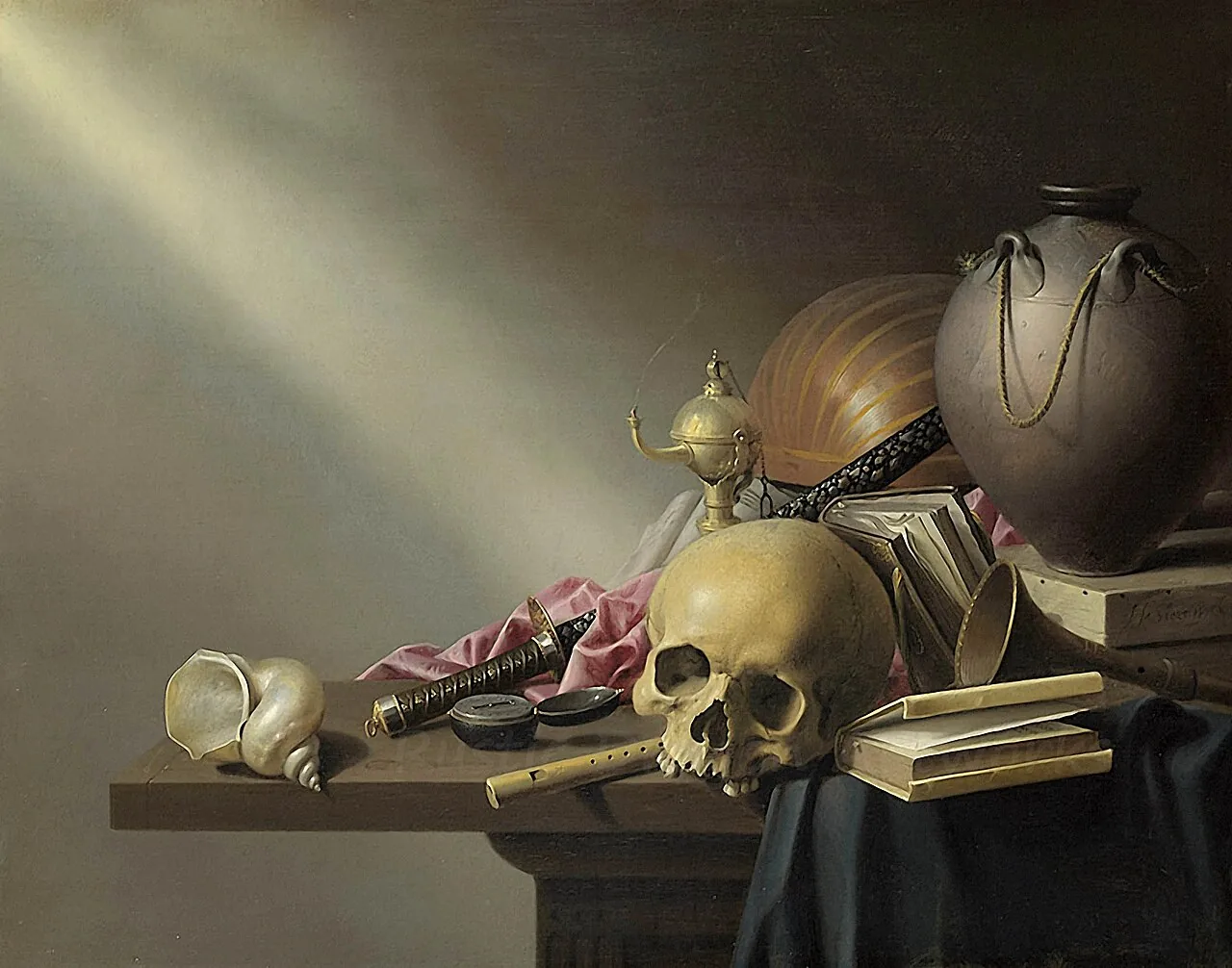
Harmen Steenwijck, An Allegory of the Vanities of Human Life, c. 1640. National Gallery, London.
The skull
Memento mori: “remember you must die.” It sits at the centre because everything else on the table is measured against it.
The Complete Cimmera Decoder Bundle
2 books in one bundle
Tap the + to look inside the bundle
The problem
Someone stops in front of a five-hundred-year-old painting. They look for four seconds, read the label, nod, and move on. They just walked past a coded message.
For most of history, paintings were documents. Every dog, every cracked wall, every piece of fruit was placed on purpose, and the original audience read it as easily as you read this sentence. Then we lost the key.
was not a pretty bird. It was a promise of eternal life.
was not an accident. It was death, sitting in the room.
was not a pet. It was a vow of fidelity.
This book hands you the key back
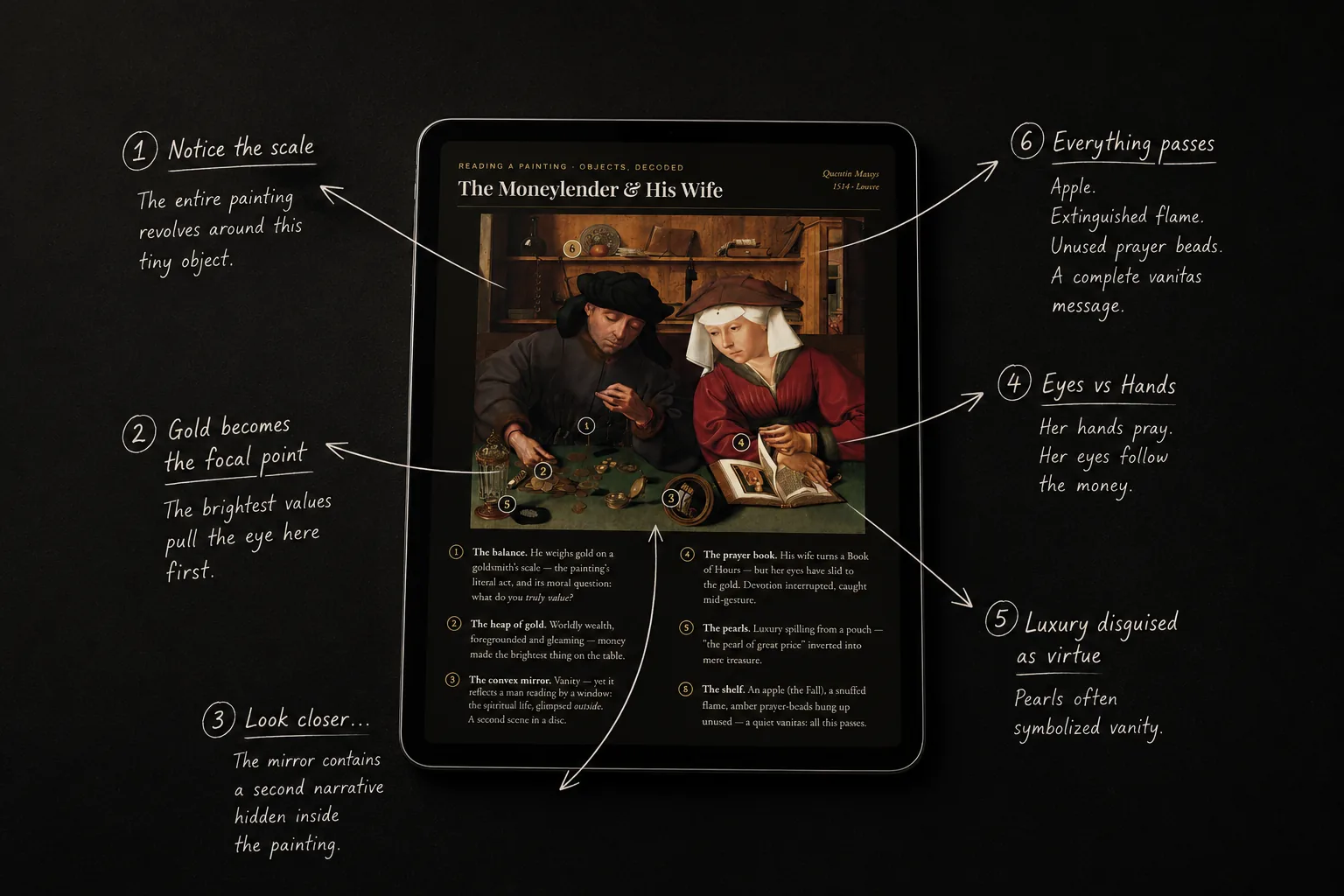
The scale, the gold, the mirror, the prayer book: six details most visitors never notice, and what each one is really saying.
3 free lessons · No sign-up
Three short, hands-on lessons taken straight from the books. Swipe through them, tap the paintings, and see what you’ve been missing.
Finish all three lessons. Then imagine doing this with any painting.
Get the full method$39Take this with you to any museum
Ask these of any painting, in order. Most of the answers are hiding in plain sight. This is the Symbol Decoder Framework from Book I. The books take you the rest of the way.
A skull on a desk, a lit candle in daylight, a snail in the foreground. If it feels oddly specific, it was put there to be read.
Three of the same flower, one colour on two figures. Repetition is the artist raising their voice.
Follow the fingers, the gazes, the rays of light. Someone is almost always directing your eye.
A Flemish city behind a biblical scene, a demon in a calm room. What doesn’t belong is often the loudest clue.
Not to you, to them. An owl means “wise” today; to a 1500s Flemish viewer it often meant folly or sin.
What you get in Vol. I
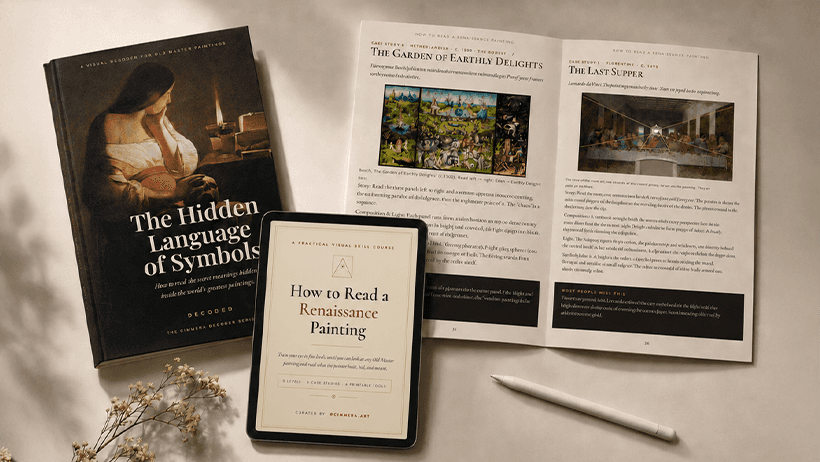
One book teaches you the language of Old Master art. The other trains you to read it. Together, they’re a complete system.

Book I · The Vocabulary
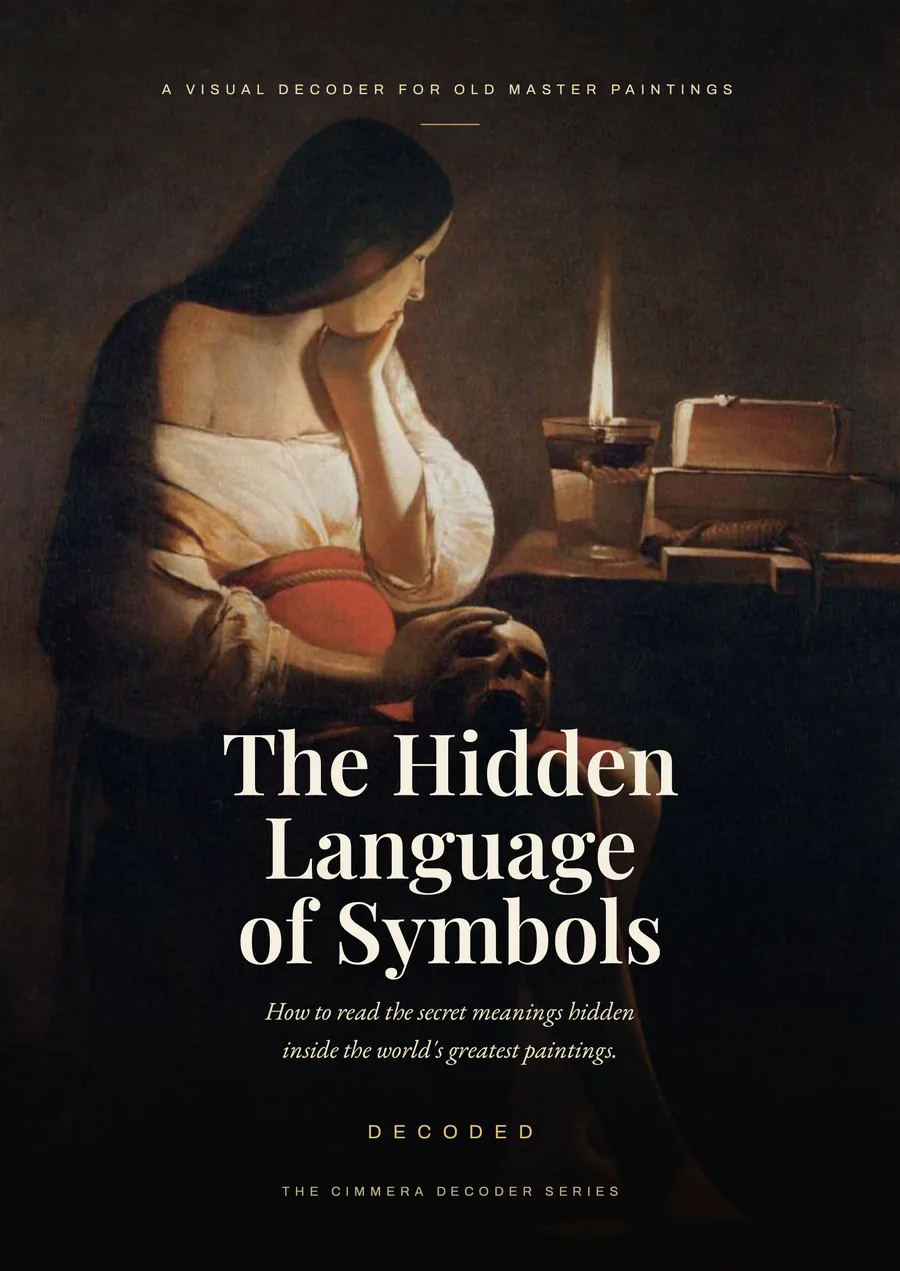
A visual decoder you can read cover to cover, or pull out in front of a painting and look things up on the spot.

Book II · The Method
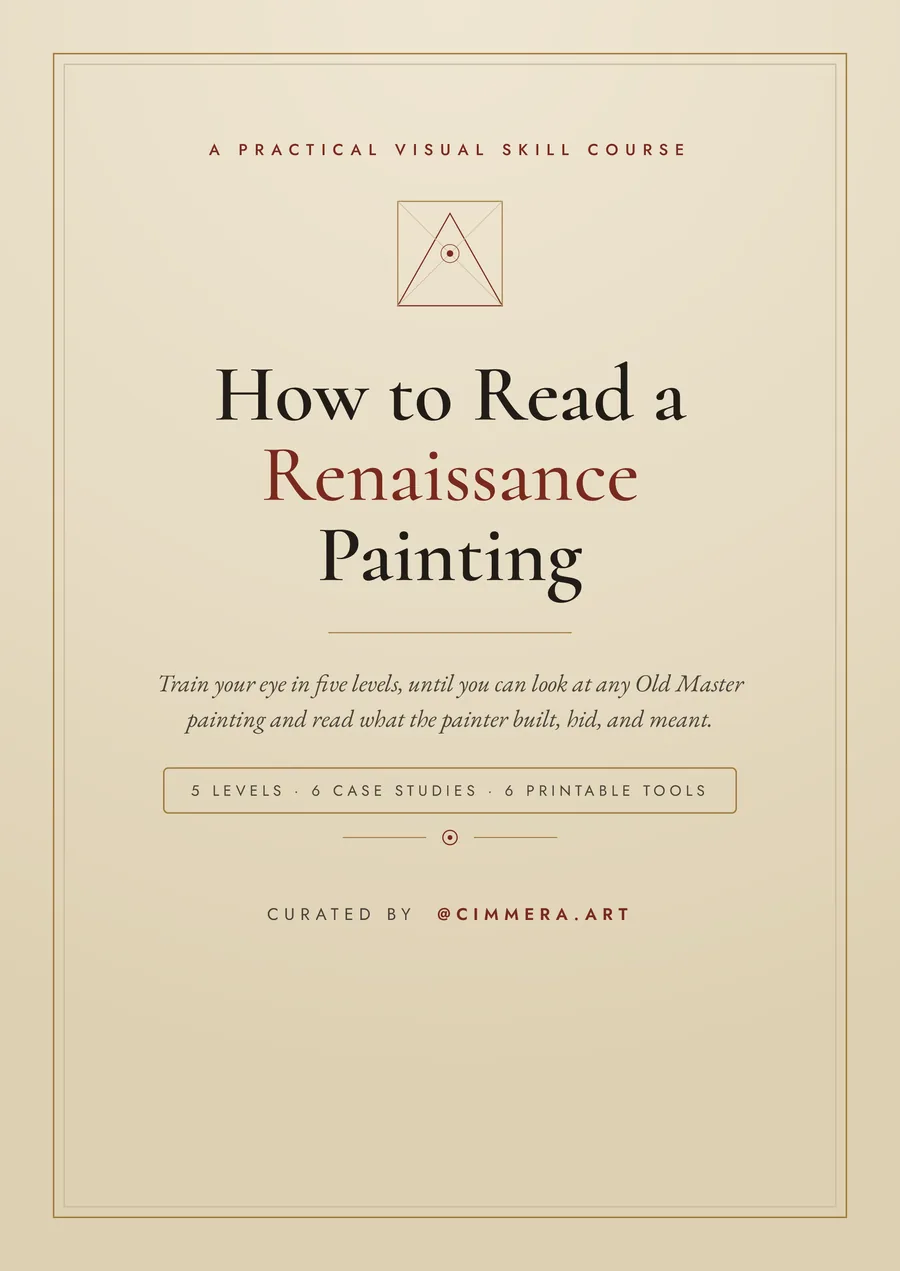
A practical skill course. Train your eye in eight levels, with a drill after each, until reading a Renaissance painting becomes instinct. Every lesson is drawn straight onto real masterpieces: perspective lines, hidden triangles, numbered markers.
+ Free with the bundle
Buy both books together and you also get an extra bonus that isn’t sold separately.
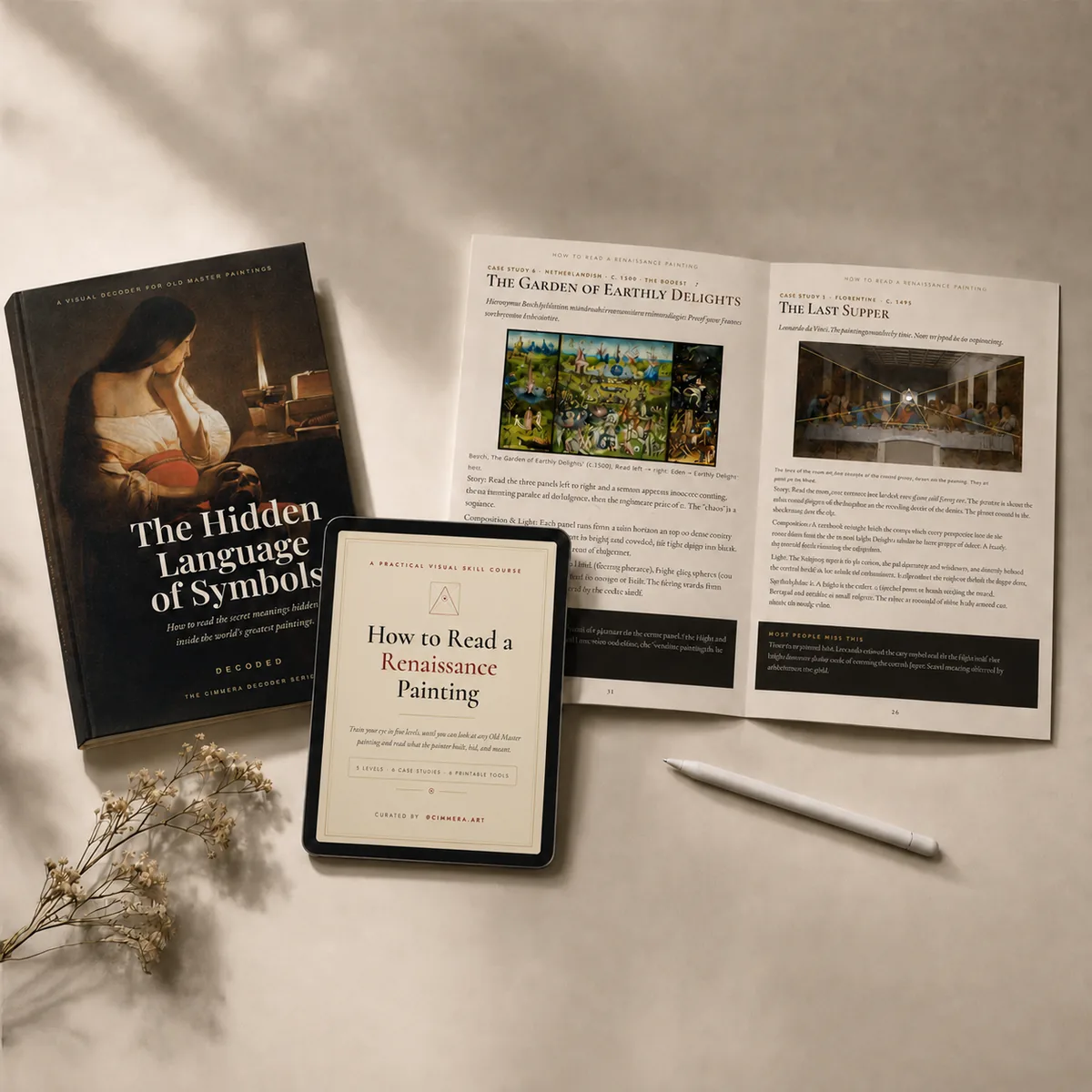
Look inside
Swipe to browse · tap a page to enlarge
Is this for you?
Choose your edition

The complete bundle
Only want one book?
Each book works on its own. The bonus is only included with the bundle.
Book I · The Vocabulary
For $10 more, the bundle adds Book II and the bundle bonus. See the bundle
Book II · The Method
For $20 more, the bundle adds Book I and the bundle bonus. See the bundle
See the method in action
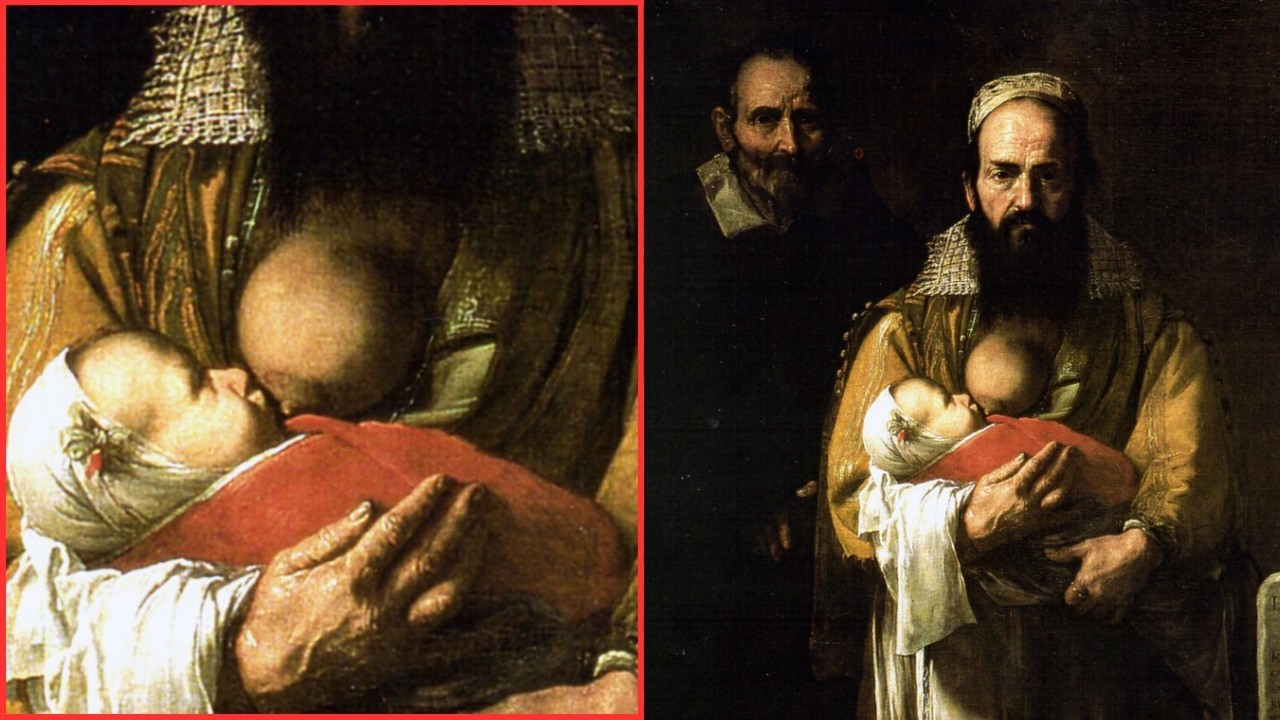
The hidden symbols, history and artistic choices inside Magdalena Ventura with Her Husband, the ones most viewers overlook.
Questions
Two PDF books: The Hidden Language of Symbols (123 pages) and How to Read a Renaissance Painting (81 pages, with a printable toolkit), plus an exclusive bonus when you buy the bundle. You get a download link right after checkout.
No. Both books are written for curious beginners. Every idea is shown on real paintings, with no academic jargon.
Yes. The PDFs work on any phone, tablet, e-reader or computer, so you can pull them out in front of a painting. The toolkit pages are designed to be printed too.
If you want to know what things mean, start with The Hidden Language of Symbols. If you want a method for reading a whole painting, start with How to Read a Renaissance Painting. The bundle gives you both, plus a bundle-only bonus, for $9 less.
No. It’s a one-time payment. The books are yours to keep.
The Cimmera Decoder Series · Vol. I